
Four series, one specification standard
The catalog is organised by what the part does on the car, not by model year. Each series below links to the products in it; the fitment notes apply to all of them, because a caliper is only useful if it clears the wheel and matches the disc it clamps.
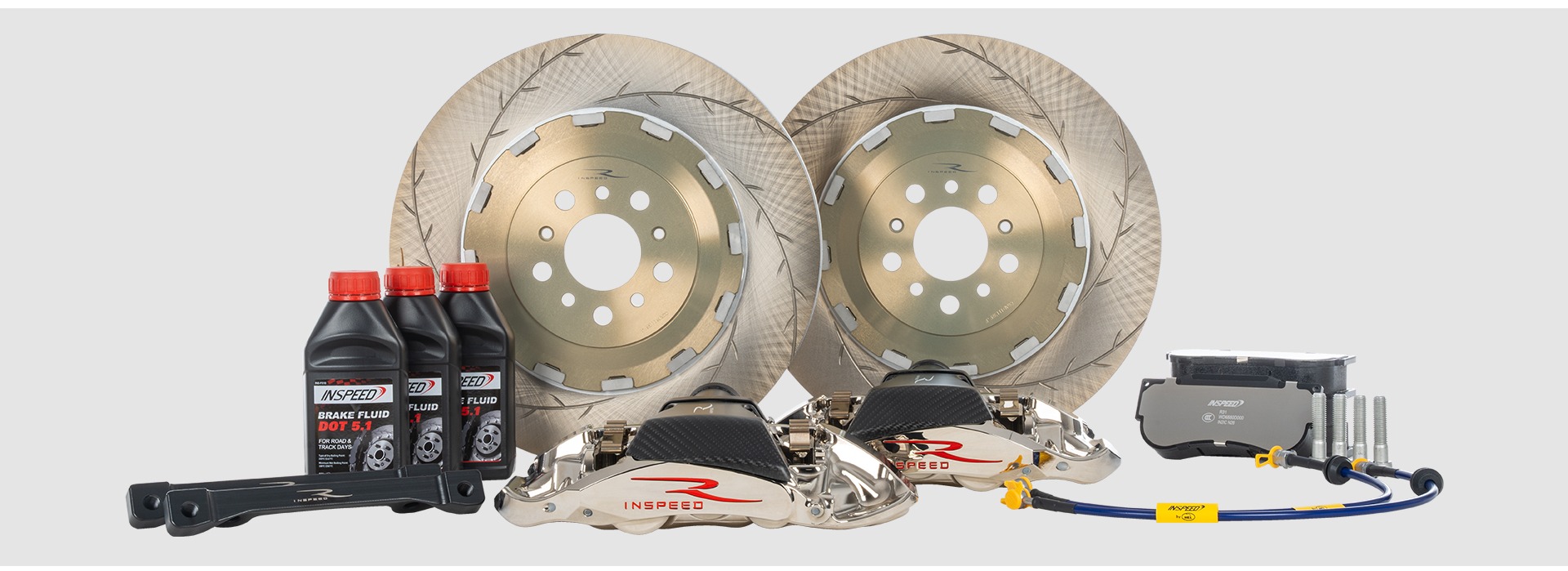
Racing calipers
Four and six piston monobloc calipers for track use. These are calipers only: the disc, pad compound and bracket are specified separately, which is why they suit cars already running a known disc and upright combination.
Big brake kits
Complete sets for street and occasional track use, supplied as caliper, disc, pad, line and bracket against one vehicle specification. The kits differ in piston count and disc diameter; that difference is about car weight and wheel size, not about finish or trim level.
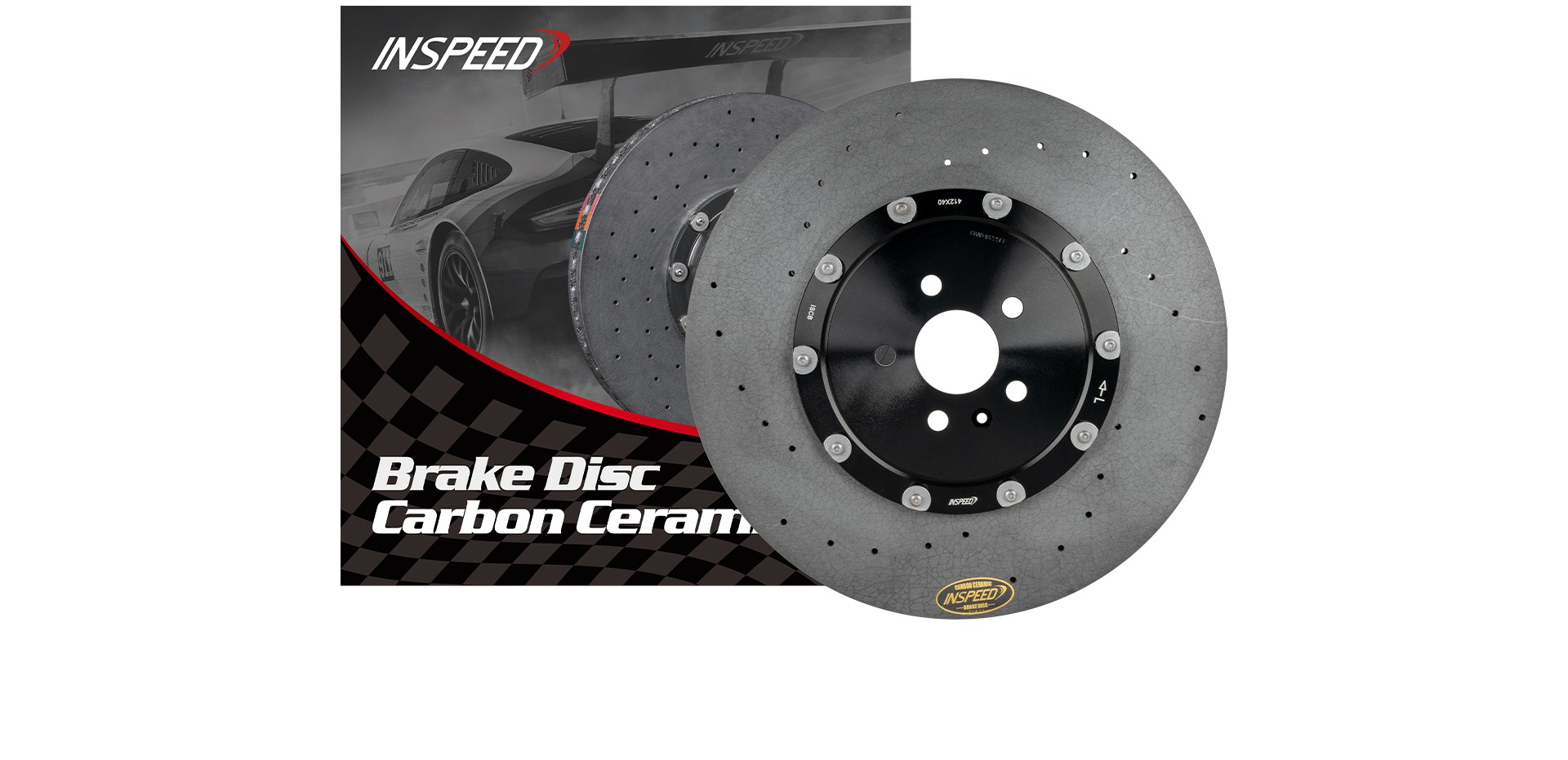
Discs and pads
Vented and high-carbon discs, carbon ceramic discs, and three pad compounds — street, sport and race. Each compound has its own working temperature, so the choice follows the use rather than the price. Replacement discs and pads are matched to the kit already fitted.
Installation hardware
Braided lines, stainless mounting bolts, brackets, adapters and the bench fixture for servicing a caliper off the car. Brackets and adapters are made from hub and upright dimensions and are therefore quoted from drawings or clear photos of the upright.
What decides a specification
- Wheel diameter and offset — the caliper body has to clear the spoke and the barrel.
- Disc thickness and diameter — decides which caliper and pad shape can be used.
- Vehicle weight and use — decides piston count and pad compound.
- Destination market — decides the documentation and certification version supplied.
Send those four details with an enquiry and the reply will be a specification rather than a general price list.