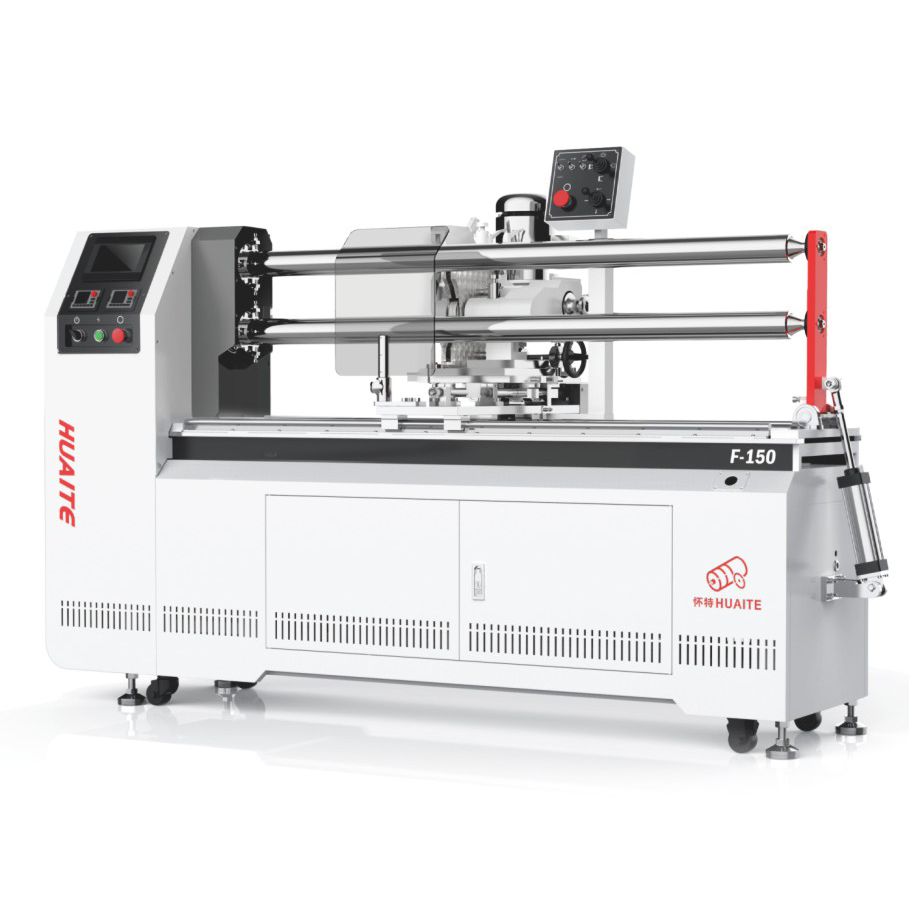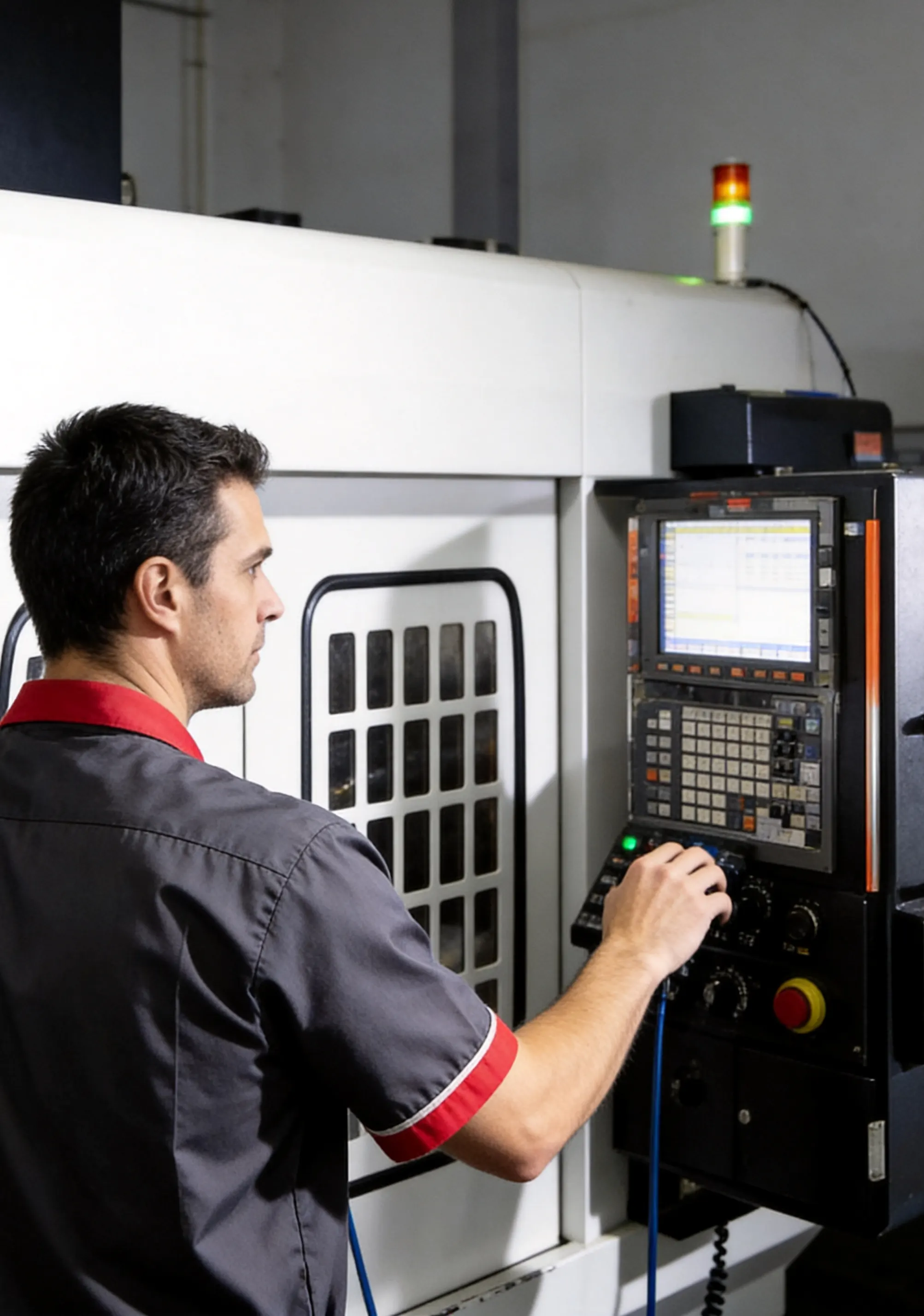
The White after-sales team has tracked 317 tape factories using cutting tables for over five years in the past year and a half. The data shows that approximately 45% of the equipment is operating in a "sub-healthy" state—production continues, but costs have long exceeded reasonable limits.
Based on this data, we have summarized three clear signals indicating that equipment needs upgrading.
Signal One: Accuracy Drift Exceeds Tolerance
The core value of the cutting table is "cutting accurately." When the cutting width fluctuates beyond ±0.2mm after one hour of continuous production, and calibration fails to restore it, it indicates that the screw clearance or guide rail wear has reached the end of its lifespan. At this point, the scrap rate typically ranges between 2% and 5%. In contrast, new equipment can maintain accuracy within ±0.03mm to ±0.1mm, with a scrap rate below 0.5%. Based on a daily output of 10,000 rolls, the profit loss due to accuracy drift can reach tens of thousands annually.
Signal Two: Changeover Time Exceeds 15 Minutes
Modern tape factories often need to switch between various materials such as BOPP, masking tape, and double-sided tape. If each changeover takes more than 15 minutes and requires skilled operators, it indicates that the electronic control system is outdated. White's one-click parameter switching feature can reduce setup time to under 3 minutes, and can be operated by general workers. With 10 changeovers a day, this can yield approximately 400 additional hours of effective production time per year.
Signal Three: Monthly Maintenance Occurs More Than Once
If a piece of equipment experiences more than two failures on average per month, and maintenance takes over 4 hours, it not only affects delivery but also increases worker frustration. Data shows that when monthly maintenance hours exceed 12, the "real hourly capacity" of the equipment may only be 70% of its rated value. In contrast, new equipment can achieve an average of over 8,000 hours of trouble-free operation, essentially realizing "just use it after installation."
Conclusion: If your equipment meets any two of the above signals, it is advisable to conduct a comprehensive return on investment analysis. Typically, new equipment can recover costs within 6 to 12 months through reduced waste and increased efficiency.